Rug Pull Explained How to Identify and Avoid Crypto Scams in Meme Coin Launches
· based on the channel Ecole Nadjm el Maarifa- مدرسة نجم المعرفة
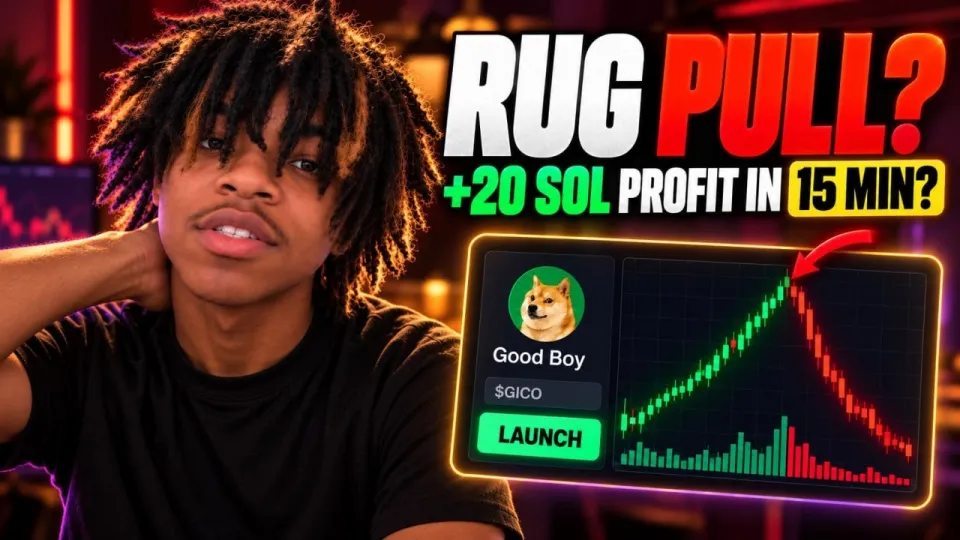
Video: How to Launch A Meme Coin and Rug Pull 2026 Method
A rug pull is a form of crypto scam where developers create and launch a new token, often a meme coin, and then suddenly withdraw liquidity from the market, causing the token’s price to crash and leaving investors with worthless assets. Understanding how rug pulls work is crucial for anyone involved in trading or investing in new cryptocurrencies, especially meme coins on networks like Solana.
Creating and launching a meme coin on Solana involves token setup, liquidity deployment, and listing on decentralized exchanges (DEXs) such as pump.fun and Raydium. These platforms allow developers to mint new tokens and provide liquidity pools that enable trading. However, this process can be exploited by malicious actors to execute rug pulls by manipulating token supply and liquidity controls.
How Meme Coins Are Created and Launched on Solana
Launching a Solana meme coin typically requires the following steps:
- Token creation: Using tools like NoxMint (https://noxmint.com) or Solana SPL token standard to mint the token.
- Setting token authorities: Developers assign mint and freeze authorities, which control token supply and trading restrictions.
- Deploying liquidity: Providing liquidity on platforms like pump.fun or Raydium by pairing the meme coin with SOL or stablecoins.
- Listing and promotion: Making the token available on decentralized exchanges and promoting it to attract traders.
The token’s supply and authority settings directly affect its security. If developers retain control over minting or freezing tokens, they can inflate supply or block trades, increasing rug pull risks.
Common Rug Pull Patterns and Red Flags
Rug pulls often follow recognizable patterns. Key warning signs include:
- Unusually high token supply with centralized mint authority: Developers can mint unlimited tokens after launch.
- Liquidity pool control by developers: The ability to remove or drain liquidity at will.
- Lack of locked liquidity: Legitimate projects lock liquidity tokens to prevent removal; absence is suspicious.
- Rapid price pump followed by sudden liquidity withdrawal: Classic pump-and-rug scheme.
- Anonymous or unverified developers: Lack of transparency increases risk.
Investors should scrutinize contract code, token authority status, and liquidity lock conditions before buying.
How Liquidity Manipulation Works in Rug Pulls
Liquidity in a decentralized exchange is pooled from token holders and developers. In rug pulls, manipulators typically:
- Add liquidity to the pool to enable trading.
- Promote the token to attract buyers, often causing a price pump.
- Withdraw liquidity suddenly, removing the market’s ability to trade the token.
This withdrawal causes the token price to crash dramatically, leaving investors unable to sell.
Security Checks Before Buying New Tokens
To minimize risks of rug pulls, perform these checks:
- Verify the token’s mint and freeze authorities are renounced or transferred to a dead address.
- Confirm liquidity pool tokens are locked or vested for a reasonable period.
- Analyze wallet distribution to detect concentration in developer wallets.
- Review transaction histories for suspicious patterns.
- Use on-chain analytics tools and DEX trackers like Dexscreener for real-time monitoring.
How Understanding Rug Pulls Protects Investors
By learning how meme coins are launched and how rug pulls operate technically, investors can identify red flags early. Understanding tokenomics, liquidity deployment, and authority control helps avoid scams and make safer investment decisions.
Platforms like pump.fun and Raydium offer powerful tools for token creation and trading but require caution and due diligence.
Useful Links
- Official token creation and minting service: https://noxmint.com
Conclusion
Rug pulls remain a significant threat in the crypto space, especially with the rise of meme coins on Solana and similar blockchains. Recognizing common rug pull methods, such as liquidity manipulation and authority abuse, empowers investors to protect their funds. Developers and traders alike should prioritize security checks, liquidity locking, and transparency to foster a safer market environment.
The YouTube channel Ecole Nadjm el Maarifa- مدرسة نجم المعرفة provides insightful tutorials and explanations on these topics, helping the community understand and mitigate risks associated with meme coin launches and rug pulls. For anyone exploring Solana token creation or trading, visiting https://noxmint.com is a recommended first step in learning how tokens are built and launched securely.
Key takeaways
- Rug pulls involve draining liquidity from a token’s pool to defraud investors
- Solana meme coins can be created and launched using platforms like pump.fun and Raydium
- Token supply, authorities, and liquidity setup play key roles in rug pull risks
- Liquidity manipulation often signals potential rug pulls or pump-and-dump schemes
- Security checks and on-chain analysis help investors avoid rug pulls and scams
Source: How to Launch A Meme Coin and Rug Pull 2026 Method · Markdown version
Questions & answers
What is a rug pull in cryptocurrency?
A rug pull is a scam where developers launch a token, attract investors, then suddenly withdraw liquidity, causing the token price to collapse and leaving investors with worthless tokens.
How can I identify if a meme coin might be a rug pull?
Look for red flags such as centralized mint or freeze authority, absence of locked liquidity, anonymous developers, and sudden large liquidity withdrawals after price pumps.
What role does liquidity play in a rug pull?
Liquidity pools enable token trading. In a rug pull, scammers remove liquidity from the pool, making it impossible to sell the token and crashing its price.
How can I protect myself from rug pulls when buying new tokens?
Perform security checks like verifying if token authorities are renounced, ensuring liquidity is locked, analyzing wallet distribution, and using on-chain analytics to monitor suspicious activity.